Cigarettes

What Are Light Cigarettes?

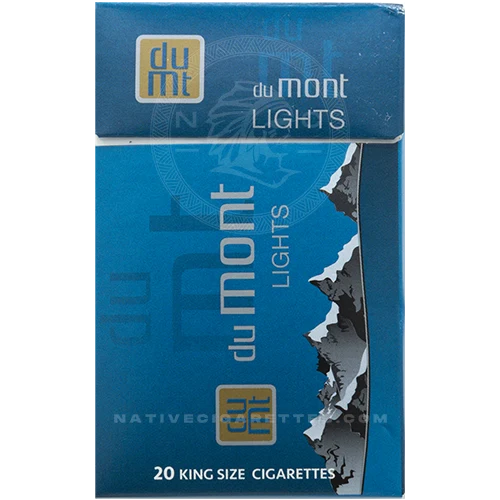
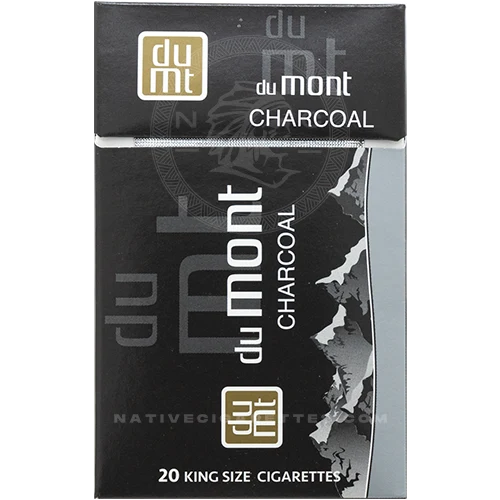
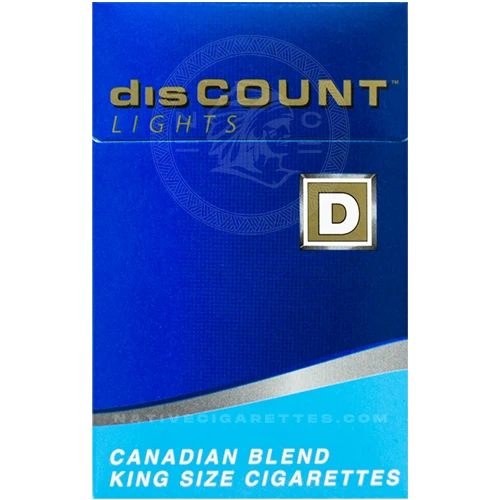
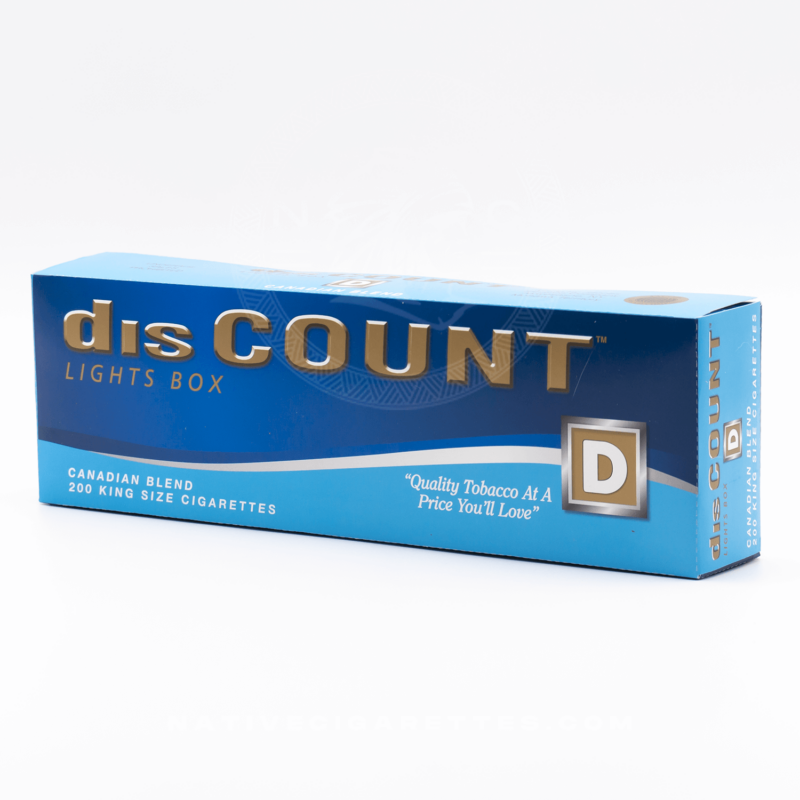
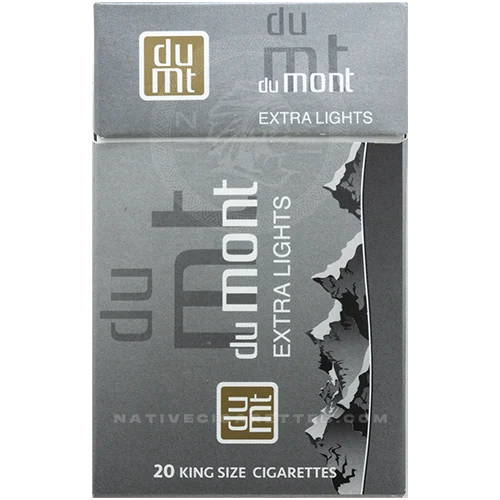
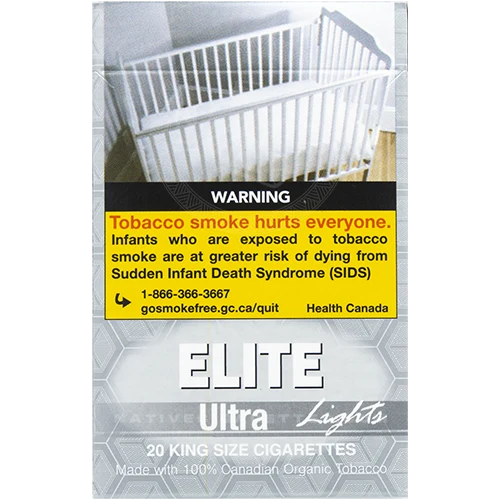
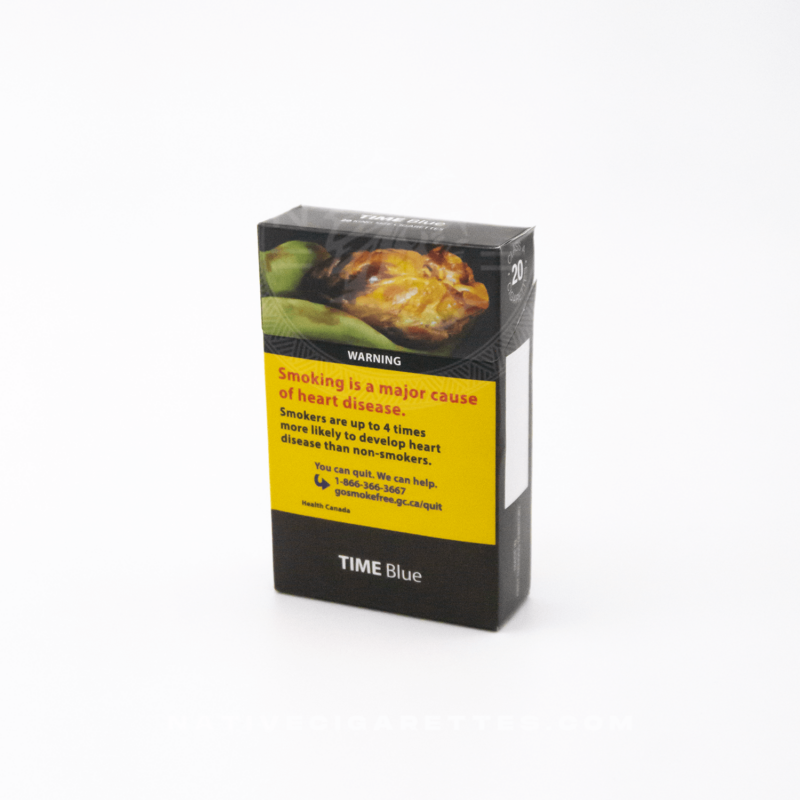
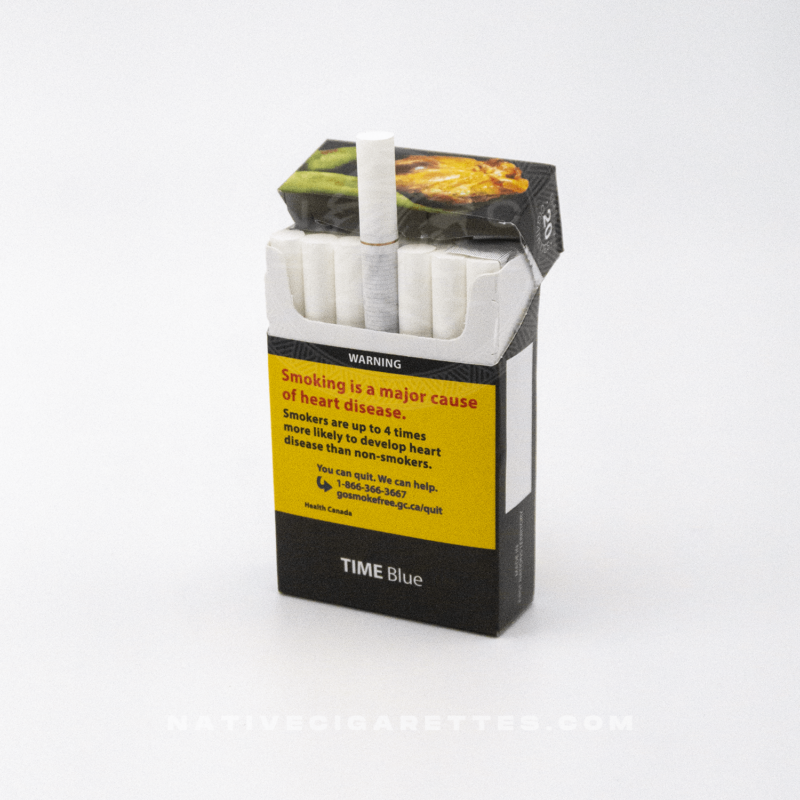
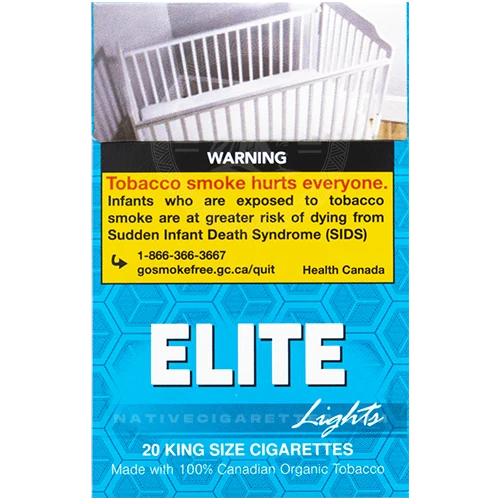
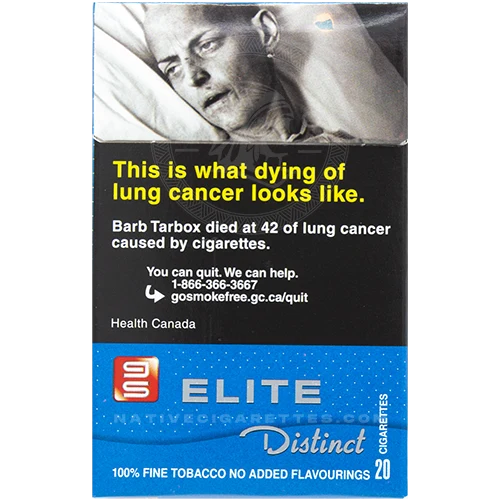
example of light cigarettes

Explaining Light Cigarettes

Light cigarettes are marketed as lower in tar, nicotine, and other harmful chemicals compared to regular cigarettes. They aim to give a smoother smoking experience by reducing the amount of smoke inhaled.

They often have ventilation holes in their filters to dilute the smoke with air, making it seem lighter and smoother.

However, it's crucial to understand that light options, despite having fewer certain substances, are not a safer choice than regular cigarettes and can still lead to health issues.

Are Lights Safer Than Regular Cigarettes?

Often marketed as a safer alternative, light cigarettes are said to have less tar, nicotine, and other harmful substances. But this idea of being less harmful is mostly untrue. Light options might show lower levels of these substances in lab tests, but smokers often inhale more deeply, take more puffs, or block the ventilation holes, leading to similar intake of harmful substances as with regular cigarettes. 

It should also be noted that testing performed on light smokes doesn’t reflect real-world use. Although the label might state that certain brands contain 1 mg of tar, this number is based on testing using smoking machines. A real person will typically inhale much more tar than a smoking machine would, so the actual amount is often much higher than labeled. 

The reality is that quitting reduces the risk of heart attacks and other health issues by up to 50% within one year of tobacco use cessation. In studies, switching from regular to light cigarettes showed no real health benefits. 

Additionally, smoking dangers are not just from tar and nicotine. Cigarette smoke has thousands of chemicals, many carcinogenic, and light cigarettes still emit these toxic substances

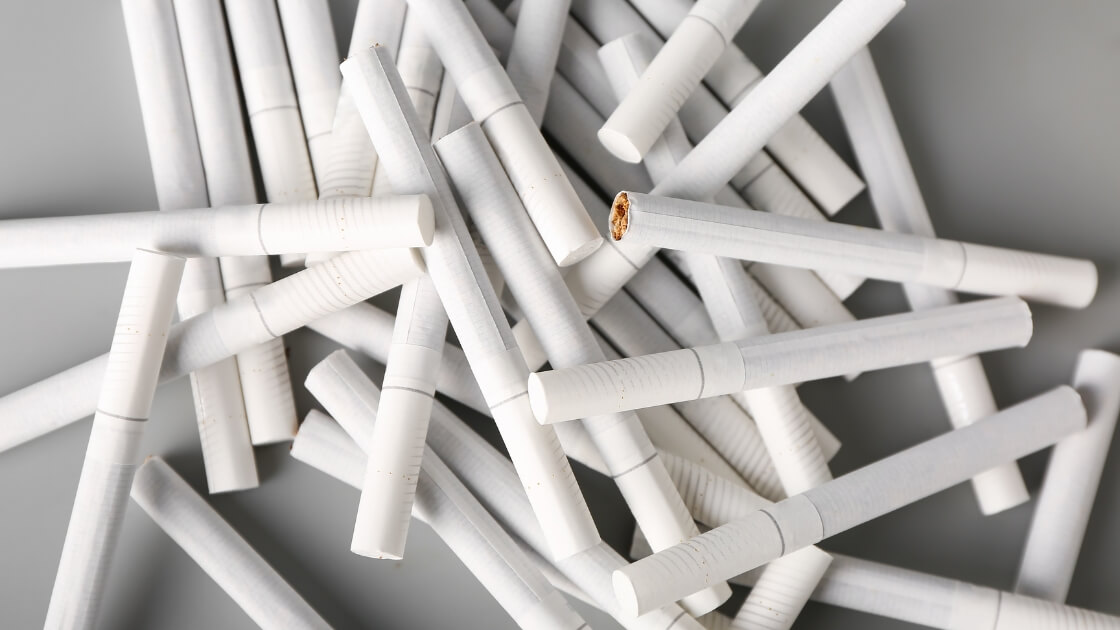
pile of cigarettes

What Are Some Of The Most Popular Light Cigarette Brands in Canada?

In Canada, some of the best light cigarettes based on customer opinion include:

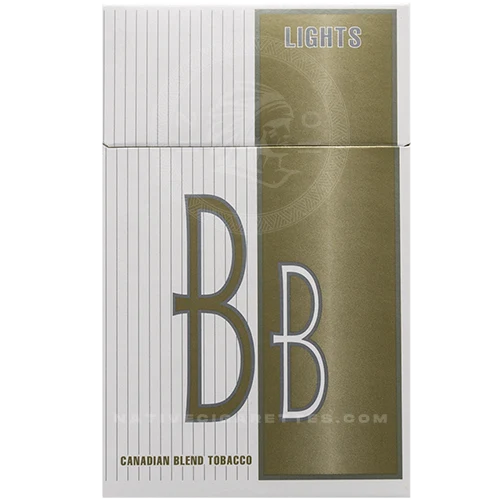
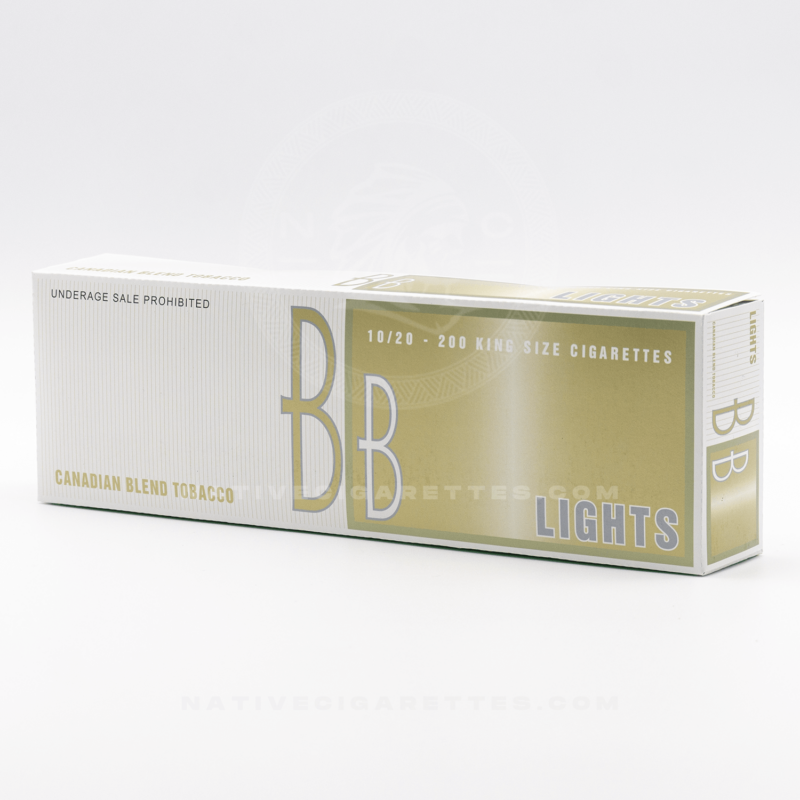
  1. BB Lights cigarettes: A very popular brand offering light cigarettes with reduced tar and nicotine levels. BB Lights caters to smokers who prefer lighter smoke and a milder taste. Presented in a unique, minimalistic designed packaging that will distinguish you amongst your friends and co-workers.
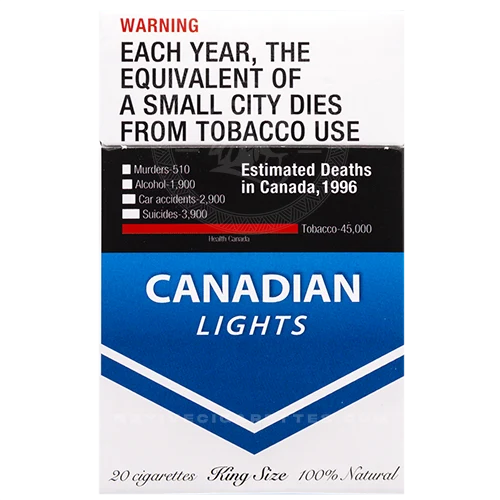
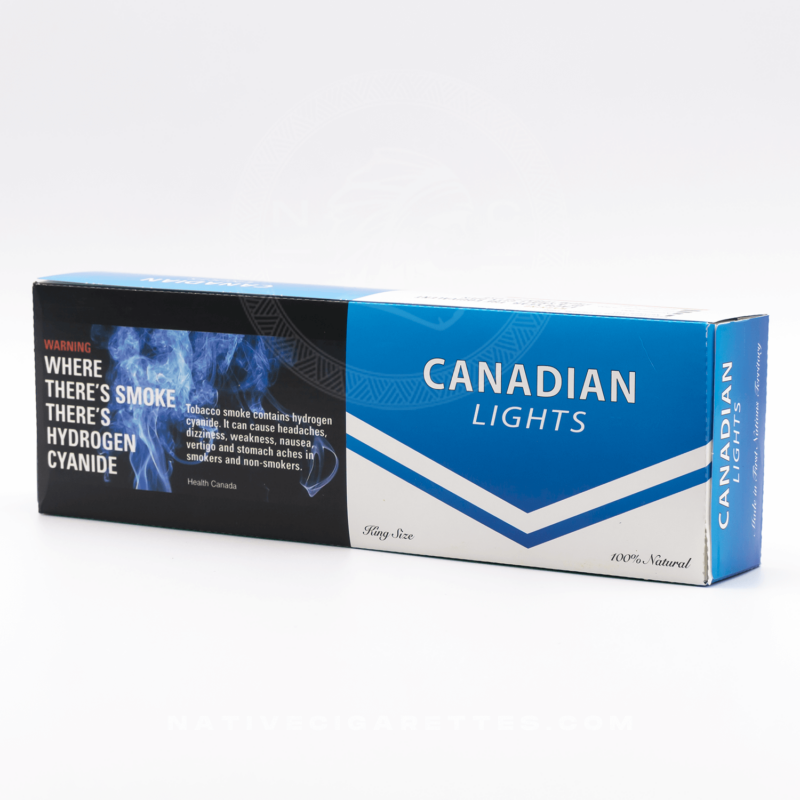
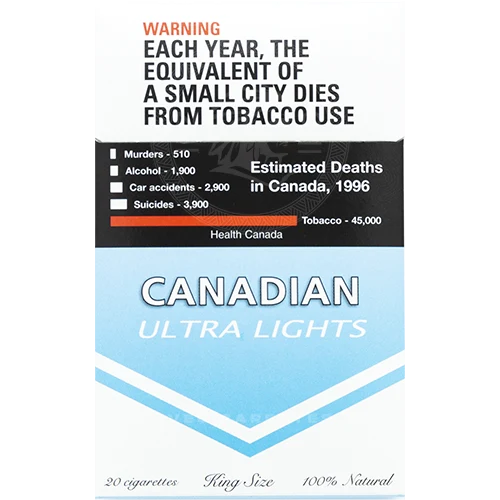
  2. Canadian Lights: A well-known brand in Canada known for its range of light cigarettes. Packaged in simple yet classic white and blue packs, these are marketed as having lower tar and nicotine levels than regular cigarettes, offering a milder smoking experience.
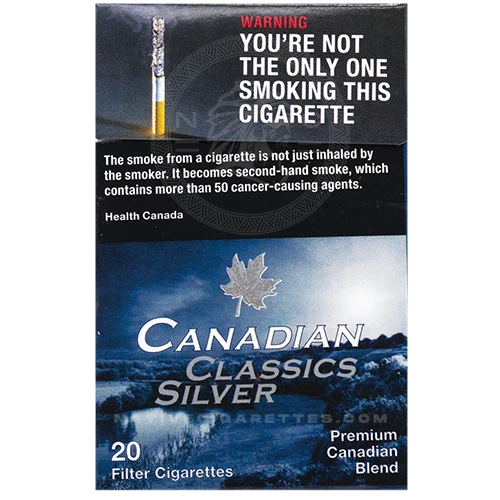
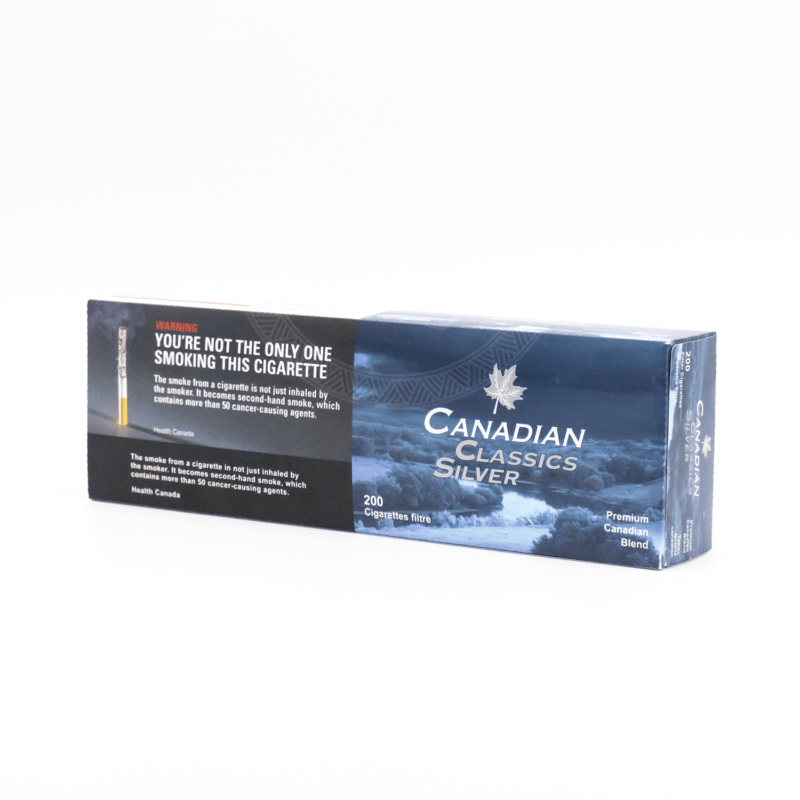
  3. Canadian Classics Silver (Light): A variant of the Canadian Classics brand, it is recognized for its smooth flavour. This brand caters to smokers who prefer a lighter, milder taste. The recognized dark blue and silver packaging makes for an appealing statement every time you pull the pack out.
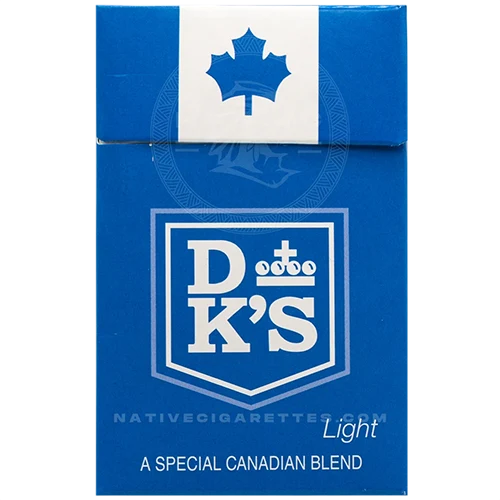
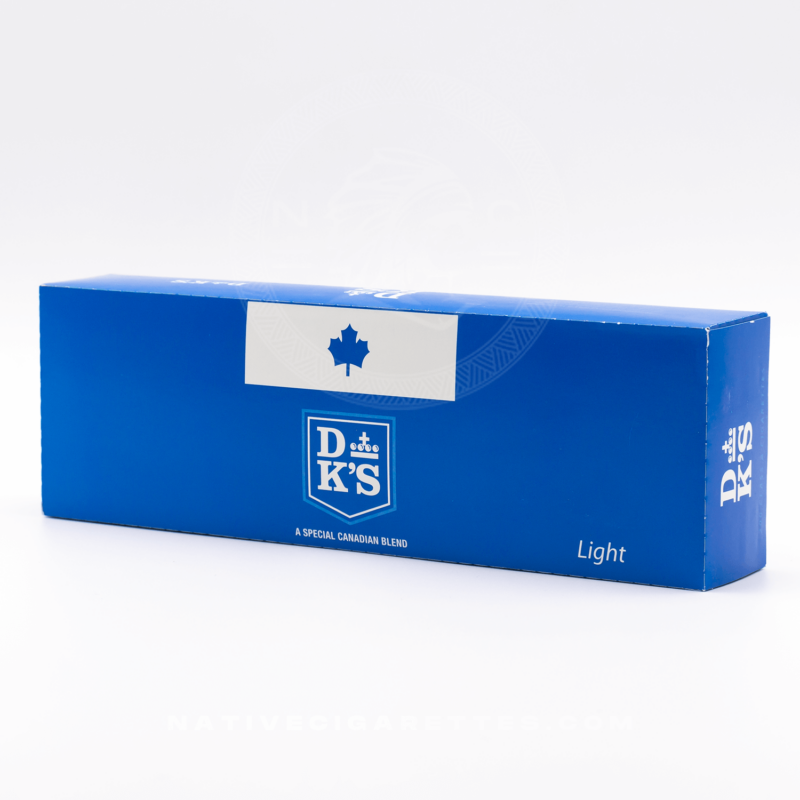
  4. DKs Light: Focused on a light and smooth smoking experience, DK's Light is popular among those who enjoy a lighter tobacco blend, packaged in almost all blue flip-style packs.
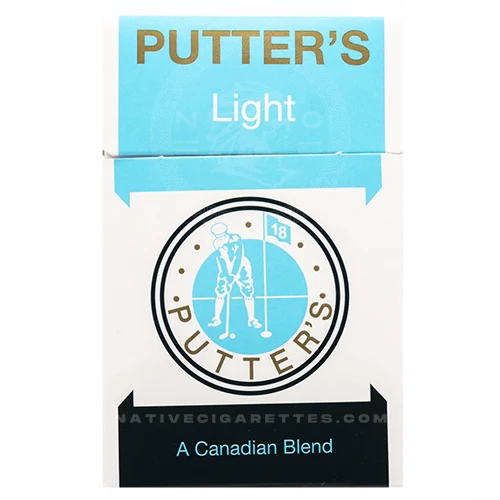
  5. Putter's Light: Known for its distinctive flavour profile, Putter's Light is a well-recognized brand in Canada. It is associated with a satisfying yet lighter smoking experience.
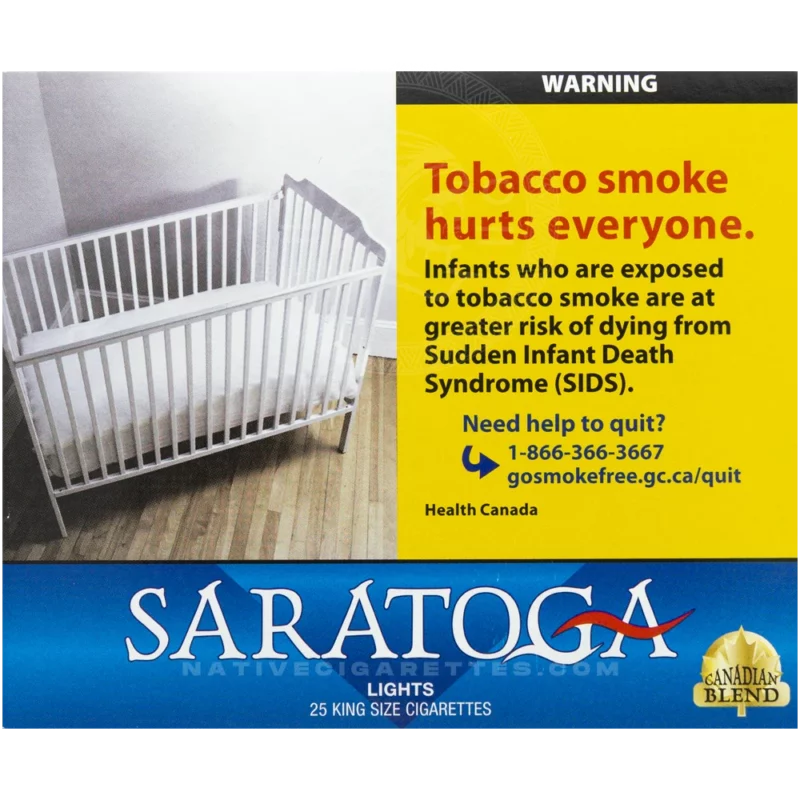
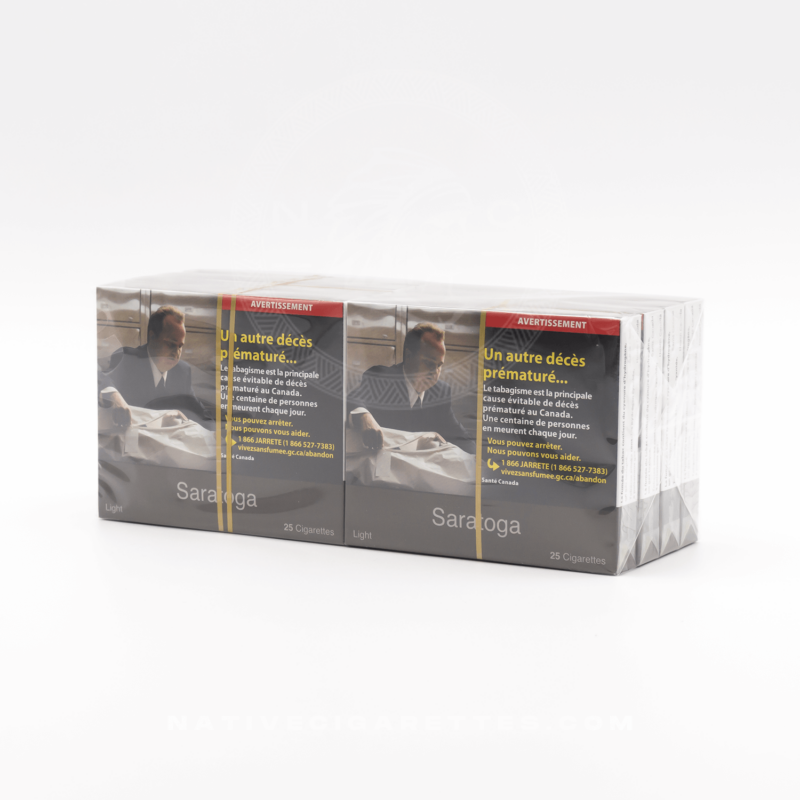
  6. Saratoga Light: These cigarettes are noted for their reduced tar and nicotine content. Saratoga Light is targeted at smokers looking for a lighter alternative, promising a smoother and milder sensation and a clean, satisfying experience.
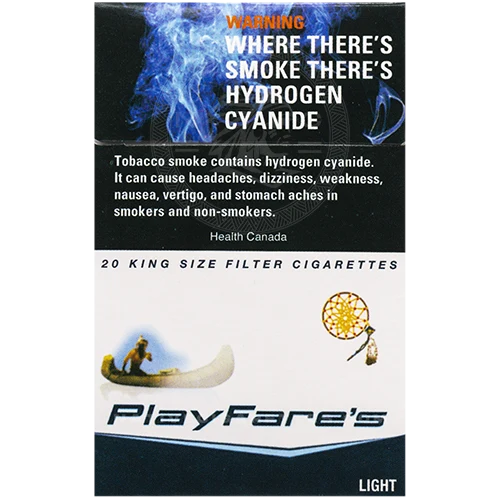
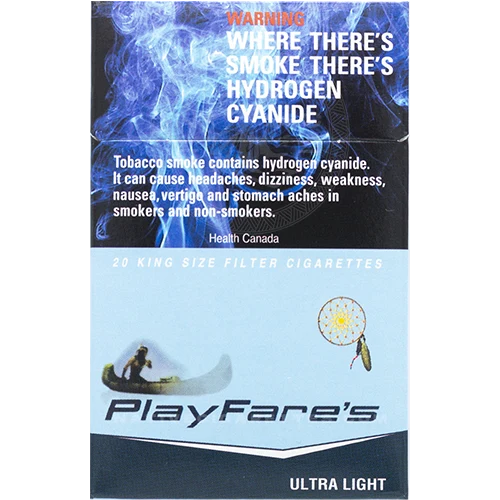
  7. Playfare's Light: Playfare's Light emphasizes lower tar and nicotine content. It is marketed as an option for those seeking a lighter smoking experience without compromising traditional taste.
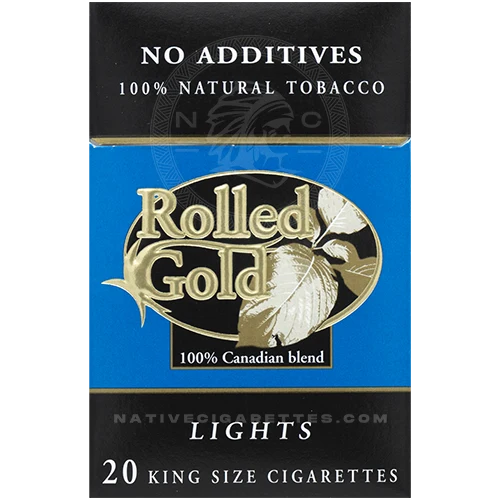
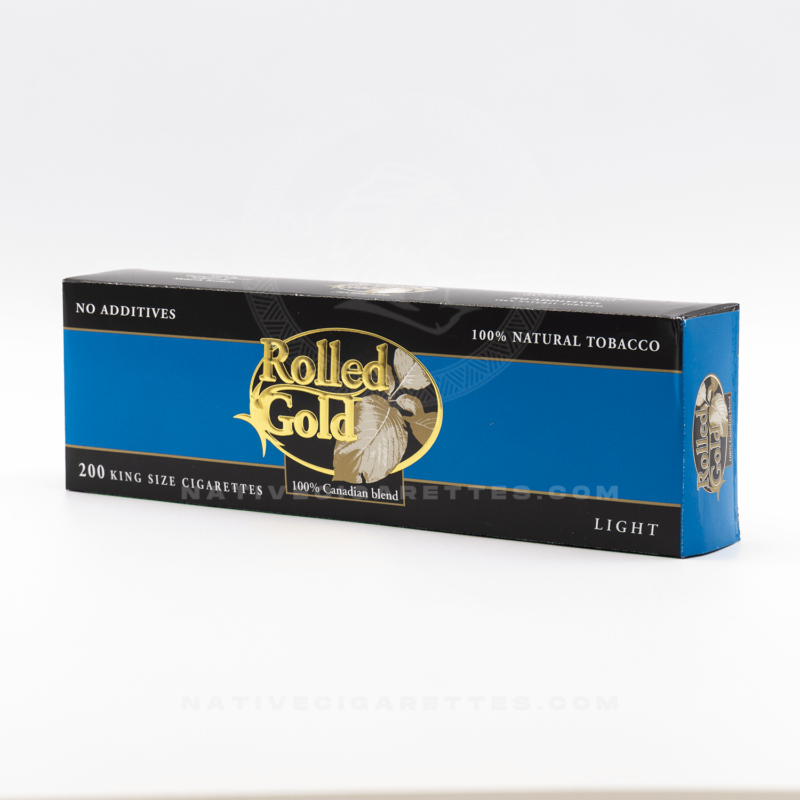
  8. Rolled Gold Lights: This brand is known for its use of 100% natural tobacco with no additives. If you prefer a raw flavour yet light when inhaling, give Rolled Gold Lights a try!
  9. Elite Light: Designed to provide a more refined and lighter smoking experience, Elite Light is often chosen by smokers who appreciate a smooth and mild flavour.
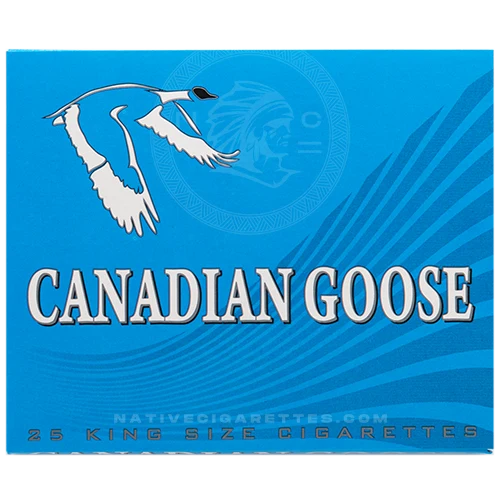
  10. Canadian Goose Blue (Light): A part of the Canadian Goose brand, known for its high-quality tobacco. The light variant offers a lighter smoking option while maintaining the brand's signature quality.

Each of these brands has its unique appeal, whether in terms of flavour, tar and nicotine content, or price point, catering to the diverse preferences of smokers in Canada. However, it's important to remember that smoking any type of cigarette, including light varieties, poses significant health risks.

What Are Light Cigarettes Good For? 

People may choose light smokes for:

  • Perceived less harm: Belief that they're less harmful due to lower tar and nicotine.
  • Milder experience: Less intense smoke, more enjoyable or less harsh.
  • Personal preference: Varied tastes and experiences.
  • Transitioning or cutting down: A step towards quitting or reducing smoking.
  • Perceptions of social acceptability or matching peer preferences: While some smokers choose light cigarettes for these reasons, it's vital to remember that smoking, including light cigarettes, poses significant health risks. The best course for health is quitting smoking or considering healthier options.

How To Find The Best Deals On Light Cigarettes?

To get the best prices on light cigarettes, consider these tips:

  • Compare prices: Visit different stores or online to find the best deals. Look out for sales, discounts, or special offers. Remember to take the shipping fee into consideration.
  • Stay informed about sales and promotions: Keep an eye on local or online store promotions. Subscribe to newsletters or check online ads for updates on discounts.
  • Join loyalty programs: Many retailers or brands have programs offering rewards or discounts to regular customers.
  • Buy in bulk: Purchasing larger quantities or cartons can save money. Consider sharing costs with friends who also smoke.
  • Shop online: Online stores might offer competitive prices, especially for bulk purchases. Ensure you buy from legitimate sellers.
  • Try generic or store brands: These can be cheaper than well-known brands and might offer a similar smoking experience.

Always be aware of local laws on cigarette sales and prioritize informed decisions about your smoking habits. Consider healthier alternatives or cessation methods if you're concerned about the health impact of smoking.

Looking for help to quit smoking?

There are many alternatives to using light cigarettes available if you are considering these as an option for your health. If you want to avoid the chemicals or are trying to quit, you may consider: 

  • Nicotine patches: These deliver a steady supply of nicotine over 24 hours without smoke, tar, or other harmful chemicals.
  • Nicotine gum: Gum can be chewed when you get the craving for a cigarette to help you quit. 
  • Counseling: One-on-one therapy or group counseling sessions can help you find support to make quitting easier. 
  • Prescription medications: There are several prescription medications available to make quitting easier by reducing the satisfaction gained from smoking. Talk to your doctor about these medications available in Canada. 

FAQs on Light Cigarettes 

Do light cigarettes help with quitting? 

No. They are commonly bought for this purpose, but studies have shown that light cigarettes do not help with smoking cessation and, in fact, prolong smoking in those who use them. 

Why did Canada ban terms like “light” and “low tar” on cigarette packaging? 

In 2007, the Canadian government banned cigarette companies from using words like “mild,” “light,” and “low tar” on packaging to prevent consumers from being deceived into thinking the products were safer than regular cigarettes. 

Do light cigarettes reduce secondhand smoke? 

No. Although the ventilation holes in the cigarette filters reduce the taste of smoke to the smoker, they do not reduce the levels of harmful chemicals released into the air. 

Understanding the Health Risks of Tobacco Consumption in Canada

https://nativecigarettes.com/health-risks-tobacco-canada

Centers for Disease Control and Prevention - How to Quit

https://www.cdc.gov/tobacco/quit_smoking/how_to_quit/index.htm